
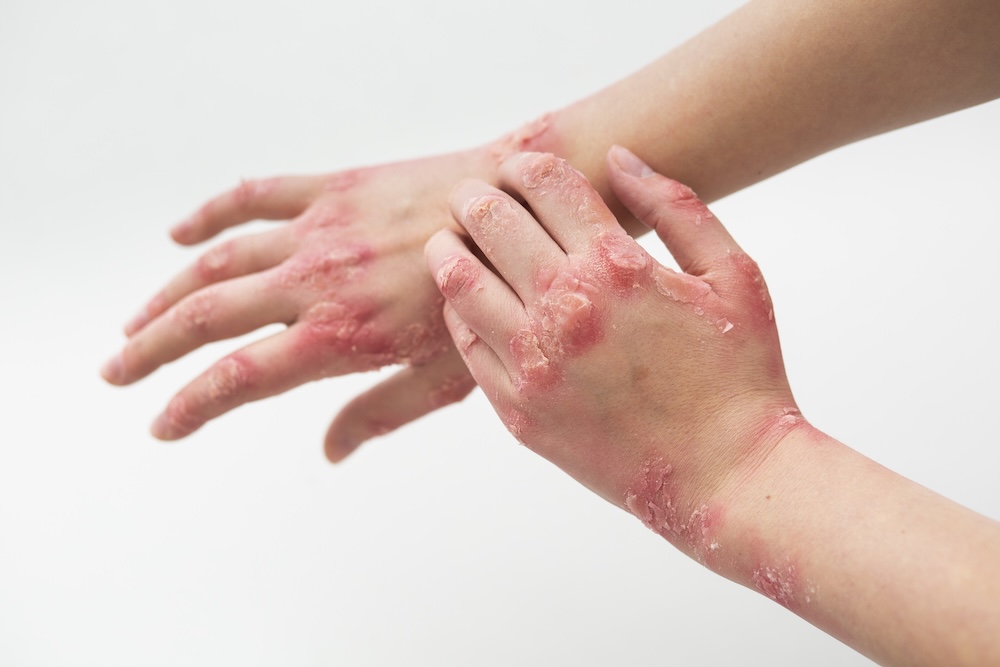

Eczema and psoriasis are both skin conditions that can cause red, inflamed, and itchy skin. However, there are some key differences between the two conditions. Eczema is more common in children, while psoriasis is more common in adults. Eczema is also more likely to occur on the face, hands, and feet, while psoriasis is more likely to occur on the scalp, elbows, and knees. Finally, eczema is often triggered by environmental factors such as allergies or irritants, while psoriasis is thought to be caused by a combination of genetic and environmental factors.
If you’re not sure whether you have eczema or psoriasis, see a doctor or dermatologist for an accurate diagnosis. They will likely ask about your medical history and do a physical exam of your skin. They may also perform a skin biopsy, which involves taking a small sample of skin to be examined under a microscope.
No, eczema and psoriasis are two separate conditions. However, people with eczema are at a higher risk of developing psoriasis later in life.
Yes, it’s possible for psoriasis to be misdiagnosed as eczema. This is more likely to happen if you have a mild case of psoriasis or if you don’t have any family history of the condition. If you’re not sure whether you have eczema or psoriasis, see a doctor or dermatologist for an accurate diagnosis.
Yes, it’s possible to have both psoriasis and eczema at the same time. This is known as comorbidity. Comorbidity is when two or more conditions occur in the same person. It’s thought that people with comorbid conditions have a higher risk of developing complications from both conditions.
There is no easy answer to this question as both eczema and psoriasis can cause a great deal of discomfort. While eczema is more common in children, it can be just as debilitating for adults. Psoriasis, on the other hand, is more likely to occur in adults but can also be very severe in children. Ultimately, the severity of the condition will depend on the individual.
Both eczema and psoriasis can cause itchiness. However, itchiness is more likely to be a symptom of eczema. In fact, itchiness is one of the most common symptoms of eczema. It’s thought that the itchiness is caused by inflammation of the skin.
Eczema is a chronic skin condition that causes the skin to become red, itchy, and inflamed. The most common form of eczema, atopic dermatitis, often begins in childhood. Psoriasis is also a chronic skin condition that causes the skin to become red and inflamed, but it also causes the skin to form scaly, thick patches. Psoriasis can affect people of any age. Eczema is more common than psoriasis, and it is also more likely to affect children. Eczema typically causes dry, sensitive skin, while psoriasis often causes thick, scaly patches. Eczema is usually not as painful as psoriasis, but it can lead to skin infections. Psoriasis is more likely to cause joint pain and stiffness. There is no cure for either eczema or psoriasis, but both conditions can be managed with medication and lifestyle changes.
Eczema can be a very frustrating condition to deal with. It is often itchy and can cause a lot of discomforts. In some cases, it can also lead to skin infections. Eczema can be difficult to manage, but there are treatments available that can help to control the symptoms. Is life difficult with eczema? It can be, but there are ways to manage the condition and make it more manageable. There is no cure for eczema, but with proper treatment, most people can find relief from the symptoms. Talk to your doctor about the best way to manage your eczema.
The exact cause of eczema is unknown, but it is thought to be related to an overactive immune system. People with eczema may have a genetic predisposition to the condition. In addition, certain environmental factors, such as exposure to irritants or allergens, can trigger eczema flares.
The most common symptom of eczema is itching. The itchiness can be mild or severe, and it may be constant or come and go. Other symptoms of eczema include:
Eczema can be a very uncomfortable condition. The itchiness can interfere with sleep and daily activities. In severe cases, itchiness can lead to skin infections.
There is no cure for eczema, but there are treatments that can help to control the symptoms. Treatment options include:
Eczema can be a difficult condition to manage, but there are treatments available that can help to control the symptoms. Talk to your doctor about the best way to manage your eczema.
There is no one answer to this question since everyone experiences psoriasis differently. For some, it may be a mild annoyance that causes occasional discomfort and embarrassment. For others, it can be a chronic and debilitating condition that significantly interferes with their quality of life. Psoriasis can also cause serious health complications such as psoriatic arthritis. No matter how mild or severe your psoriasis is, it can be a very frustrating and upsetting condition to deal with. It is important to remember that you are not alone – over 8 million Americans suffer from psoriasis. There are many effective treatments available and new advancements are being made all the time. With the right treatment, you can control your psoriasis and live a happy, healthy life. If you have psoriasis, you may be wondering what it is like to live with this condition. Here are some common questions people often have about psoriasis:
Psoriasis appears as patches of red, scaly skin. The patches are often itchy and can be painful. They can range in size from a few centimeters to large areas that cover the entire body. Psoriasis most commonly appears on the scalp, elbows, knees, and lower back, but it can appear anywhere on the body.
The exact cause of psoriasis is unknown, but it is believed to be the result of a combination of genetic and environmental factors. People with certain genes are more likely to develop psoriasis, but the condition usually only occurs if something triggers it, such as a viral infection, emotional stress, or injury to the skin.
In addition to the characteristic red, scaly patches of skin, people with psoriasis may also experience itching, burning, and stinging. The affected skin may be very sensitive and cracked or bleeding. People with psoriatic arthritis may also have joint pain, stiffness, and swelling.
A psoriasis diagnosis is typically made based on a physical exam and medical history. Your doctor may also perform a skin biopsy, which involves removing a small piece of skin to examine it more closely. Blood tests may also be ordered to rule out other conditions with similar symptoms.
Treatment for psoriasis often begins with lifestyle changes, such as using gentle skin care products and avoiding triggers that can make symptoms worse. Treatment also typically includes topical medications or light therapy. For more severe cases, oral or injectable medications may be necessary. Psoriatic arthritis is treated with a combination of lifestyle changes, medications, and physical therapy.
Most people with psoriasis can control their symptoms with treatment. However, the condition is chronic, which means it will likely come and go throughout your life. In some cases, psoriasis may go into remission for long periods of time. There is no cure for psoriasis, but the condition can be managed with proper treatment.
If you are living with psoriasis, it is important to talk to your doctor about your symptoms and treatment options. With the right care, you can live a happy and healthy life despite this condition. Psoriasis can be a frustrating and embarrassing condition, but you are not alone. There are many effective treatments available to help you control your symptoms and live a happy, healthy life.
Plaque psoriasis is the most common type of psoriasis. There are several ways in which plaque psoriasis and eczema differ. Plaque psoriasis is a type of psoriasis, while eczema is a general term for a group of inflammatory skin conditions. Plaque psoriasis typically occurs on the elbows, knees, scalp, and lower back, but it can occur anywhere on the body. Eczema can also occur anywhere on the body, but it is most likely to appear on the hands, feet, ankles, wrists, neck, face, and inside the elbows and knees. Plaque psoriasis is characterized by raised, red patches covered with a white or silver buildup of dead skin cells. Eczema is characterized by dry, itchy, red skin. Plaque psoriasis can be difficult to treat, and there is no cure. Eczema is also difficult to treat, but there are many options available that can help relieve symptoms.
Most plaque psoriasis flares last between 3 and 6 weeks. However, some people may experience a longer or shorter duration of symptoms. Some people may also have recurring flares, while others may only have one flare-up in their lifetime.
No, psoriasis plaques do not go away on their own. However, there are treatments available that can help to reduce the appearance of plaques and improve the overall condition of the skin. Some people may find that their psoriasis goes into remission for periods of time, but it is typically a lifelong condition.
There is no one-size-fits-all answer to this question, as the duration of a plaque psoriasis flare can vary from person to person. However, most people will find that their symptoms improve within 3-6 weeks of treatment. Some people may experience longer or shorter flares, and some may have recurring flares. However, with proper treatment, the majority of people with plaque psoriasis will see an improvement in their symptoms.
There is no definitive answer to this question as different people may respond differently to various treatments. Some general tips that may help speed up the healing process include:
Speak with your doctor to determine the best course of treatment for your specific situation.
Plaque psoriasis can be itchy, although not all people with the condition will experience this symptom. If itching is present, it is typically mild to moderate in nature. However, some people may find that their itching is severe and uncontrollable. If you are experiencing severe itching, speak with your doctor as they may prescribe a medication to help relieve your symptoms.
Eyelid psoriasis is a type of psoriasis that affects the skin around your eyes. Like other types of psoriasis, it is marked by the presence of red, scaly patches. These patches can be painful and itchy, and they may make it difficult to open your eyes.
It can be difficult to tell the difference between eczema and psoriasis, especially when it affects the delicate skin around your eyes. However, there are a few key differences between these two conditions.
Symptoms: Eczema tends to cause dry, red, and itchy skin. Psoriasis, on the other hand, often causes raised, red, and scaly patches.
Location: Eczema can occur anywhere on the body, but it is most commonly found on the face, hands, and feet. Psoriasis is more likely to affect the scalp, elbows, and knees.
Duration: Eczema is often a chronic condition, meaning it can come and go over time. Psoriasis is also a chronic condition, but it tends to be more persistent than eczema.
Cause: The exact cause of eczema is unknown, but it is thought to be related to an overactive immune system. Psoriasis is also thought to be related to an overactive immune system, but the exact cause is unknown.
Treatment: Eczema is usually treated with moisturizers and corticosteroid creams. Psoriasis is often treated with topical or systemic medications, such as methotrexate or cyclosporine.
If you are unsure whether you have eczema or psoriasis, it is important to see a doctor for a proper diagnosis. Treatment for eczema and psoriasis may vary, so it is important to get the correct diagnosis before beginning any treatment regimen.
There is no cure for psoriasis, but it can be managed with treatment. In most cases, eyelid psoriasis can be controlled with topical medications. If the condition is severe, oral or injected medications may be necessary. With proper treatment, the symptoms of eyelid psoriasis can be reduced or even eliminated. However, the condition can flare up at any time, so it is important to be prepared for the possibility of future outbreaks.
Eczema on the eyelids can be treated with a variety of methods. The most common treatment is to use a moisturizer to hydrate the skin and help reduce inflammation. Corticosteroid creams may also be used to reduce inflammation. If the eczema is severe, oral or injected medications may be necessary. In some cases, light therapy may be recommended.
There is no one cause of eczema flare-ups. However, they are often triggered by environmental factors, such as dry air, cold weather, or irritants such as soap or detergent. Stress and certain foods can also trigger a flare-up. If you have eczema, it is important to identify your triggers and take steps to avoid them.
Nummular eczema is a chronic skin condition that is characterized by the development of coin-shaped patches on the skin. These patches are usually itchy and can be quite painful. In severe cases, the patches may ooze and crust over. Nummular eczema is most common in adults, although it can occur in children as well. The exact cause of the condition is unknown, but it is believed to be linked to a malfunction in the body’s immune system. Treatment for nummular eczema typically involves the use of topical corticosteroids and/or immunosuppressive drugs. In some cases, light therapy may also be used.
Nummular eczema typically starts with the development of small, round patches on the skin. These patches may be itchy and/or painful. In some cases, the patches may ooze and crust over. The affected areas are usually red or brown in color. Nummular eczema most commonly occurs on the legs, arms, back, and buttocks; however, it can occur on any area of the body.
Nummular eczema is typically diagnosed based on a physical examination and the medical history of the patient. In some cases, a skin biopsy may be performed in order to rule out other conditions.
There is no cure for nummular eczema; however, there are several treatments that can help to manage the symptoms. These include:
If left untreated, nummular eczema can lead to several complications, such as:
There is no definitive answer to this question. However, some possible triggers include:
There is no cure for nummular eczema, but it can go into remission. In other words, the condition may flare up at times, but there may be long periods of time when the skin is clear.
Eczema and psoriasis can both affect the face, although they often appear elsewhere on the body as well. Eczema typically causes dry, itchy skin, while psoriasis may cause dryness, itchiness, and red patches with white scales. While these conditions can be uncomfortable and embarrassing, there are treatments available to help manage them.
Eczema on the face is a very common problem. The symptoms of eczema on the face are similar to those seen in other areas of the body affected by this condition. They include dryness, redness, itching, and flaking. Eczema on the face can be a particularly troublesome problem because it is so visible. It can also be difficult to avoid scratching the itch, which can further irritate the skin and cause more redness and flaking. If you have eczema on your face, there are a number of things you can do to help relieve the symptoms and prevent flare-ups. These include:
If you have eczema on your face, it is important to consult with a dermatologist. He or she can help you find the best way to manage your condition and keep your skin healthy.
There is no part of the body that psoriasis cannot affect, including the face. While it is not particularly common for psoriasis to develop on the face, it can happen. When it does, it can be a very frustrating and embarrassing experience. There are a few things you should know about facial psoriasis and how to deal with it. Facial psoriasis is not contagious. You cannot catch it from someone else or give it to someone else. It is important to remember this because people may be afraid to touch your face or be around you if they think they can catch it. Facial psoriasis can be treated in a number of different ways. The best way to treat it will depend on the severity of your symptoms and how much they are affecting your life. Many people find that a combination of treatments works best for them.
There is no one known cause of facial psoriasis. However, there are a number of factors that can trigger a flare-up. These include:
If you have facial psoriasis, it is important to pay attention to your body and what triggers a flare-up. Once you know what your triggers are, you can try to avoid them or be prepared with treatments if they do occur.
It can be quite debilitating to have eczema or psoriasis on your hands. The itchiness and dryness can make it difficult to use your hands for everyday tasks, and the flakiness can make you self-conscious about your appearance. In severe cases, the cracks in the skin can bleed and become infected. If you have eczema or psoriasis on your hands, it is important to see a doctor or dermatologist for treatment. There are many options available that can help relieve the symptoms and improve the appearance of your skin.
Eczema is a general term used to describe a group of inflammatory skin conditions that can be caused by a variety of factors. These include genetics, environmental triggers, and underlying medical conditions. For some people, eczema on their hands may be the only symptom they experience. Others may have eczema on other parts of the body as well, such as the face, neck, or legs.
The most common symptom of eczema on the hands is dry, itchy skin. The skin may also be red and inflamed. In severe cases, the skin may crack and bleed. Eczema can also cause the formation of blisters.
There is no cure for eczema, but there are many treatments that can help relieve the symptoms and improve the appearance of the skin. These include topical corticosteroids, oral medications, light therapy, and wet wraps. If you suspect that you have eczema on your hands, it is important to see a doctor or dermatologist for an evaluation. Early diagnosis and treatment can help improve the symptoms and prevent the condition from getting worse.
Psoriasis can affect any part of your body, including your hands. It usually appears as small patches of rough, scaly skin. In some cases, it can also cause your fingernails or toenails to become discolored or crumble. Psoriasis on your hands can be uncomfortable and make it difficult to do everyday tasks. It can also be embarrassing. If you have psoriasis on your hands, there are several things you can do to help improve your symptoms. Talk to your doctor about the best treatment options for you.
One of the most important things you can do to care for psoriasis on your hands is to wash them regularly. Use mild soap and warm water. Avoid scrubbing too hard, as this can irritate your skin. Be sure to rinse all of the soap off your hands after washing and pat your hands dry.
Another important step in caring for psoriasis on your hands is to apply a moisturizer often. This will help to keep your skin hydrated and prevent it from becoming too dry. Look for a moisturizer that is specifically designed for people with psoriasis. Apply the moisturizer to your hands after you wash them and throughout the day as needed.
Psoriasis can make your skin more sensitive to the sun. Be sure to protect your hands from the sun’s harmful rays by wearing gloves or using sunscreen with at least SPF 30.
There are some things that can trigger or worsen psoriasis flare-ups. These include:
If you can identify any irritants that seem to trigger your psoriasis flare-ups, try to avoid them.
There are several different treatment options available for psoriasis. The best treatment for you will depend on the severity of your symptoms and the areas of your body that are affected. Treatment options include:
If you have psoriasis on your hands, talk to your doctor about the best treatment options for you. With the right treatment, you can help to improve your symptoms and prevent flare-ups.