Rosacea patients may feel self-conscious and experience discomfort as a result of their condition. Our dermatologists are here to offer effective and personalized treatments to reduce redness and other symptoms.
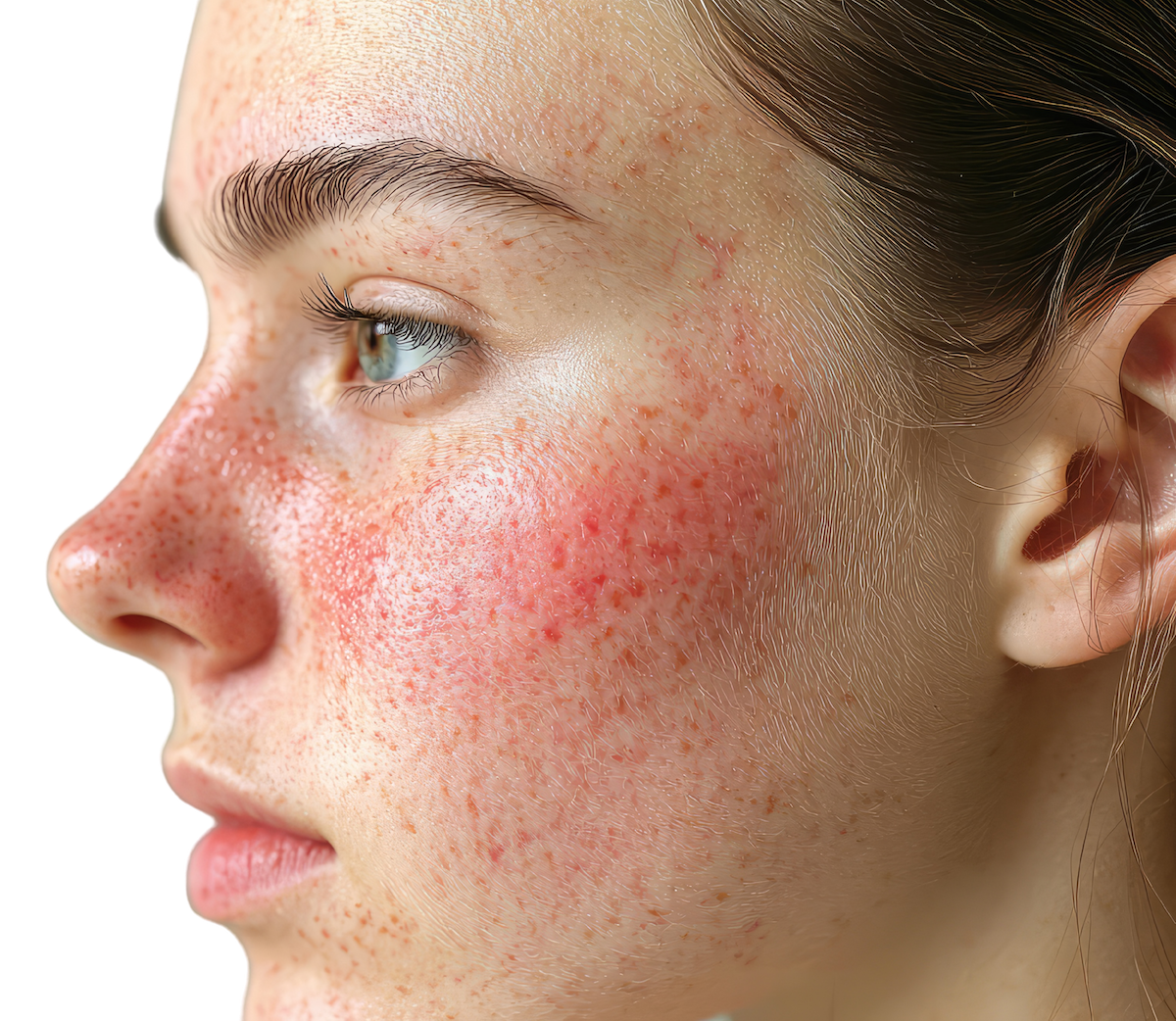
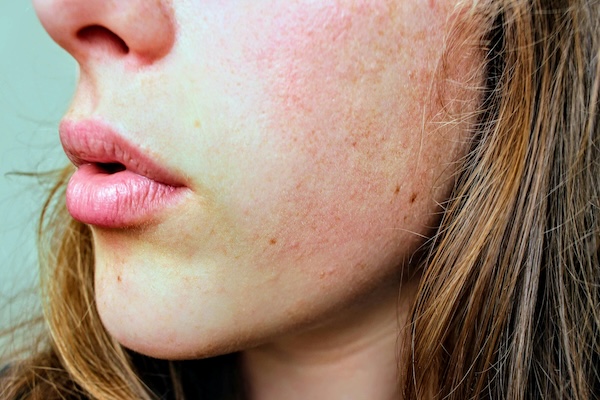
Rosacea is a chronic, inflammatory skin condition that affects millions of people and often requires specialist care. It commonly appears on the face, causing visible redness, flushing, bumps, or dilated blood vessels. While sometimes mistaken for acne or sensitive skin, rosacea is a distinct condition that needs tailored treatment.
Common Signs and Symptoms

How Rosacea Is Diagnosed
A dermatologist can usually diagnose rosacea with a skin exam and medical history review. Because rosacea may look like acne or other conditions, it’s important to see a specialist who can confirm the diagnosis and identify which type of rosacea you have. In some cases, further evaluation may be needed to rule out other skin or eye conditions.
Treatment Options
While there is no cure for rosacea, many effective treatments can reduce symptoms and prevent flare-ups. Treatment is tailored to the type and severity of rosacea:


We will review your symptoms, medical history, and triggers, followed by a skin exam to confirm your diagnosis.

We don’t believe in one-size-fits-all care. Instead, we’ll create a personalized plan for your needs, goals, and lifestyle.

We’ll monitor your progress, adjust treatments as needed, and guide you in preventing flare-ups for long-term skin health.

We start with a thorough evaluation to understand your symptoms, triggers, and overall health. From there, we create a personalized treatment plan that can involve topical treatment, systemic therapies, and/or in-office procedures.

We provide long-term management support so you can maintain healthy skin and a better quality of life. With the right diagnosis and tailored treatment, our team helps you find lasting relief from rosacea’s discomfort and disruption.
Who gets rosacea?
Rosacea can occur at any age but is most common between ages 15–30 or 50–60. It tends to run in families, is more common in Caucasians, and affects about 16 million Americans.
What are the four types of rosacea?
How is rosacea diagnosed?
Dermatologists diagnose rosacea by examining the skin, reviewing your medical history, and identifying triggers. They may also rule out conditions like acne, lupus, or dermatitis before confirming the diagnosis.
Can rosacea go away on its own?
In rare cases, rosacea may fade over time, but for most people it is a lifelong condition. Treatment helps reduce symptoms and prevent progression.
What happens if rosacea is left untreated?
Untreated rosacea can worsen, leading to more visible blood vessels, thicker skin, rhinophyma, painful flare-ups, and even vision problems if the eyes are affected.
How is rosacea treated?
Treatment is tailored to the patient and may include:
What triggers rosacea flare-ups?
Common triggers include sun exposure, spicy foods, alcohol, caffeine, heat or cold weather, stress, and certain medications. Triggers vary by person, so keeping a diary can help identify patterns.
Is there a cure for rosacea?
There is currently no cure, but with the right treatment and trigger management, symptoms can be significantly improved and controlled long term.
"Dr. Alvarez is a conscientious and compassionate physician. My family and I have been seeing him for 8+ years and I’ve referred him to family and friends alike.
Everyone is always pleased with the referral and the care they receive."
- V.R.

"Dr. Alvarez is incredible - by far my favorite doctor. He has helped me with a multitude of issues - advocating to my insurance for necessary care and offering me options for everything.
He and his team are dedicated to giving excellent, welcoming, quality care - and they have great views from their office."
- B.G.
"I've been trying to find a great dermatologist for a very long time. Dr. Alvarez was efficient, smart, kind and everything you would want to treat a skin condition that I was challenged with on my thumb. I will be recommending him to everyone!"
- P.H.