
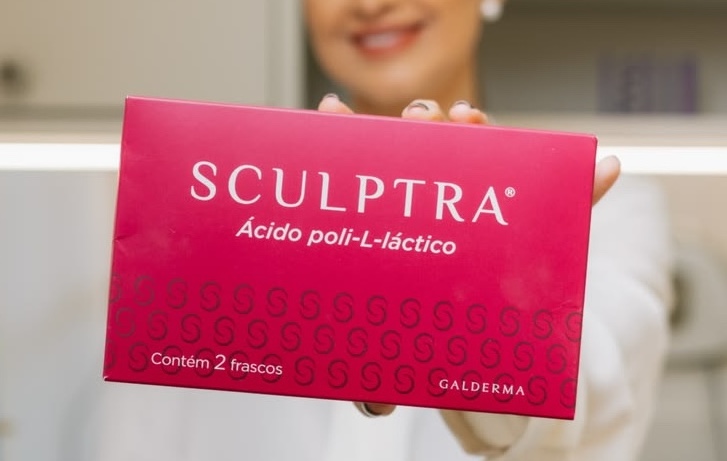
You may have heard Sculptra described as a filler, but that's not quite the whole story. In fact, one of the reasons patients are often surprised by Sculptra is that it works differently from almost every injectable treatment they're familiar with.
At Downtown Dermatology, this is one of the most common concerns patients discuss with Dr. Alvarez during their consultation. Questions like "Is Sculptra just another filler?" and "Is Sculptra right for me?" come up frequently from patients who want to better understand their options.
In this guide, we'll walk through what makes Sculptra unique, who it may be right for, and what dermatologists want you to know before your first treatment.
One of the most common questions patients ask is, "Is Sculptra just another filler?" The short answer is no, and understanding that difference is important because it shapes both the treatment process and the results you can expect.
Traditional fillers work by adding volume directly to an area. In other words, they fill in lines, folds, or hollow areas immediately after treatment.
Sculptra, on the other hand, takes a different approach. Instead of adding volume directly, it encourages your body to rebuild its own support structure over time. That's why Sculptra is known as a collagen stimulator rather than a filler.
This distinction matters because the results develop gradually instead of appearing overnight. As your body produces new collagen, the treated areas slowly regain structure and volume in a way that tends to look very natural.
The active ingredient in Sculptra is poly-L-lactic acid, often shortened to PLLA. This material has been used safely in medicine for many years and works by stimulating your body's natural collagen production process.
During treatment, Sculptra is injected into the deeper layers of the skin. Once placed, the product acts as a signal that encourages your body to create new collagen in the area over time.
Because collagen production is a gradual process, the results do not appear immediately after treatment. Instead, improvements begin to develop over the following weeks and continue to build over the months that follow.
Another question we hear often is, "Am I too young for Sculptra?" The reality is that there is no perfect age to start. Instead, the right time for Sculptra depends on your goals, your skin, and the changes you are beginning to notice over time.
For many patients in their 30s and early 40s, Sculptra is used as a preventative treatment. At this stage, the goal is often to support collagen production before significant volume loss or deeper lines begin to develop.
For patients in their 40s and beyond, the approach is often more corrective. By this point, natural collagen loss may have led to hollowing in certain areas, softer facial contours, or deeper folds that were not there years earlier.
Because Sculptra helps rebuild collagen gradually, it can be an effective option for restoring support and improving overall facial volume in a natural-looking way.
Ultimately, there is no "too young" or "too old" when it comes to Sculptra. The best age is simply the age when your goals and your skin make it the right fit.
Since the results appear gradually, many patients understandably ask whether Sculptra truly stimulates collagen or whether it simply acts like a long-lasting filler. The answer is yes, collagen stimulation is exactly what Sculptra was designed to do.
Sculptra is FDA-approved for stimulating collagen production, which is one of the reasons it works so differently from traditional fillers. After treatment, the poly-L-lactic acid particles trigger your body's natural healing response. As a result, your skin begins producing new collagen in the treated areas over time.
Studies have shown measurable improvements in skin thickness, firmness, and elasticity following treatment. Because of this, patients often notice not only restored volume but also an overall improvement in skin quality and texture.
Another important difference is longevity. Many fillers last several months to a year, depending on the product and treatment area, but Sculptra results typically last two years or longer for many patients.
Like any cosmetic treatment, the days immediately after your appointment play an important role in your overall results. Fortunately, Sculptra aftercare is fairly straightforward, and most patients return to their normal routines quickly.
That said, there are a few important guidelines worth following to give your skin the best chance to heal properly.
During the first 24 hours after treatment, it is best to avoid intense exercise, strenuous activity, and anything that significantly raises your body temperature. This includes activities such as heavy workouts, hot yoga, saunas, steam rooms, and hot tubs.
For the same reason, you'll also want to limit excessive heat exposure, as heat can increase swelling and irritation in the treated areas.
Also, it's important to avoid direct sun exposure for at least two weeks following treatment. If you need to spend time outdoors, wear sunscreen and protective clothing to minimize unnecessary irritation.
Patients often ask whether they should massage the treated areas afterward. In most cases, you should avoid doing so unless Dr. Alvarez specifically recommends it as part of your treatment plan.
Finally, make an effort to stay well hydrated during the recovery period. Just as importantly, be sure to follow any aftercare guidance provided during your appointment, since those instructions are tailored specifically to your treatment and goals.
Most patients need a series of treatments rather than a single appointment. The exact number depends on factors such as your age, current collagen levels, and the amount of volume loss being treated. During your consultation, Dr. Alvarez will recommend a treatment plan based on your goals and expected results.
Unlike traditional fillers, Sculptra does not provide immediate volume correction. Instead, results develop gradually as your body produces new collagen. Many patients begin noticing changes within several weeks, with improvements continuing to develop over the following months.
Yes. In fact, Sculptra is frequently combined with other cosmetic treatments depending on a patient's goals. Some patients pair it with fillers for immediate volume, while others combine it with treatments that improve skin texture or pigmentation. Your consultation is the best time to discuss which combination makes sense for your skin.
Most patients find Sculptra very tolerable. The injections themselves are quick, and treatment is typically performed with techniques designed to maximize comfort. You may experience mild soreness, swelling, or tenderness afterward, but these effects are usually temporary and resolve within a few days.
If you are interested in a treatment that works with your body's natural collagen production instead of simply adding volume, Sculptra may be worth considering.
The best way to know whether it's the right fit is through a personalized consultation. During your visit, Dr. Alvarez will discuss your concerns, evaluate your goals, and create a treatment plan designed specifically for you.
📅 Book online: Schedule your appointment
📞 Call us: (212) 233-2995
📍 291 Broadway, Suite 1803, Tribeca
Consultations available in English, Spanish, and Portuguese.
